Robert Coram’s biographies praise people who chose principle over career. They also expose a failure that should scare all of us:
Too many institutions need exceptional courage to hear ordinary truth.
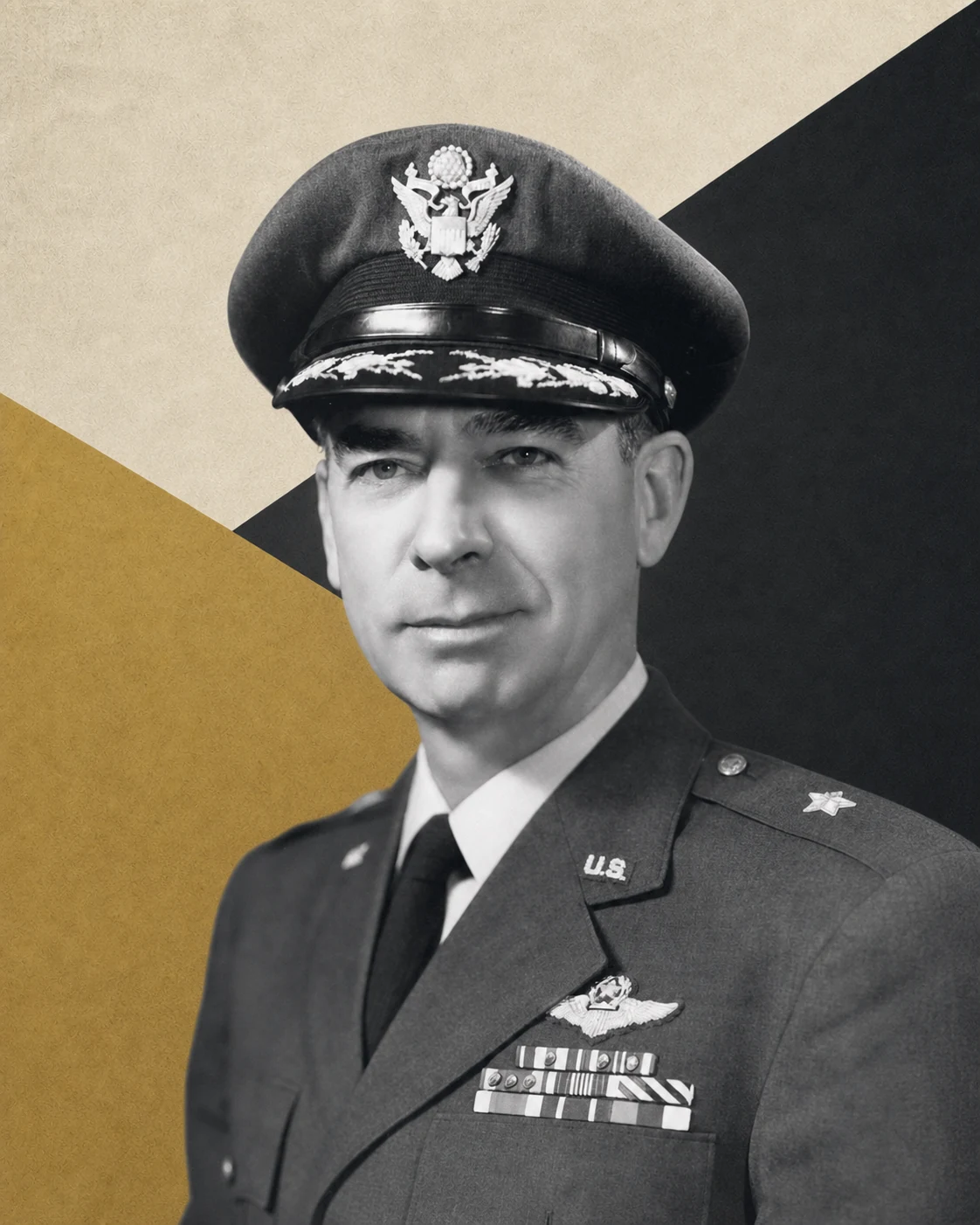
In 1967, Lieutenant General Victor “Brute” Krulak went to the White House with an argument President Lyndon Johnson did not want to hear.
The United States was prosecuting the Vietnam War through search-and-destroy operations and attrition. Krulak believed the decisive contest was for the security and allegiance of the people living in South Vietnam’s villages. The Marines could and should fight large enemy formations, he argued, but destroying units and counting bodies would not by itself defeat an insurgency.
Robert Coram reconstructs what happened next in Brute, his biography of Krulak. According to that account, Krulak told Johnson that American strategy was producing unnecessary casualties and that responsibility reached the top of the government, “including you, Mr. President.” If the president did not change course, Krulak warned, he would lose the war and the next election.
Johnson rose, placed a hand on Krulak’s shoulder, and ushered him out without another word.
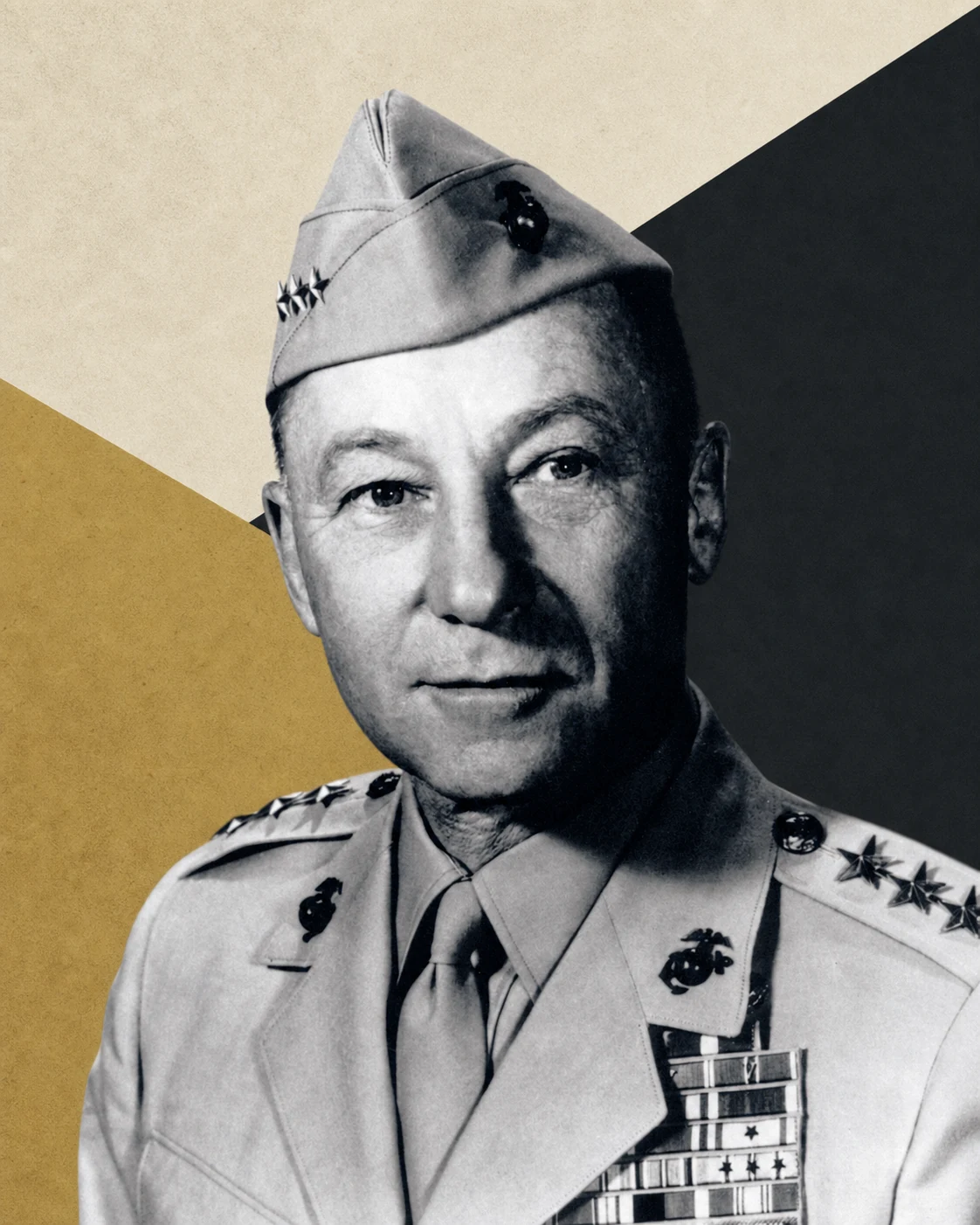
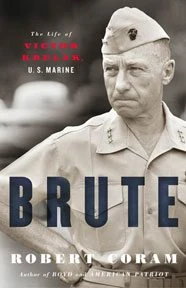
Coram argues that the confrontation helped cost Krulak a fourth star and the job he wanted most: Commandant of the Marine Corps. Johnson later selected another Marine. Krulak retired as a three-star in 1968.
Krulak’s confrontation with Johnson is not a neat parable about a truth-teller and a villain. Coram does not write neat parables. His biographies preserve achievement, ambition, contradiction, collateral damage, and uncertainty in the same frame.
A president responsible for a war needed the information Krulak carried. Admiring Krulak’s courage is not enough. Why did delivering necessary information have to resemble a career-ending act of heroism?
The fork in the road tests more than character
When I interviewed Coram for The Unfolding Thought Podcast, he explained what he had looked for in the military figures he chose to write about. He wanted people who reached a fork in the road, did what they believed was right, and paid a price.
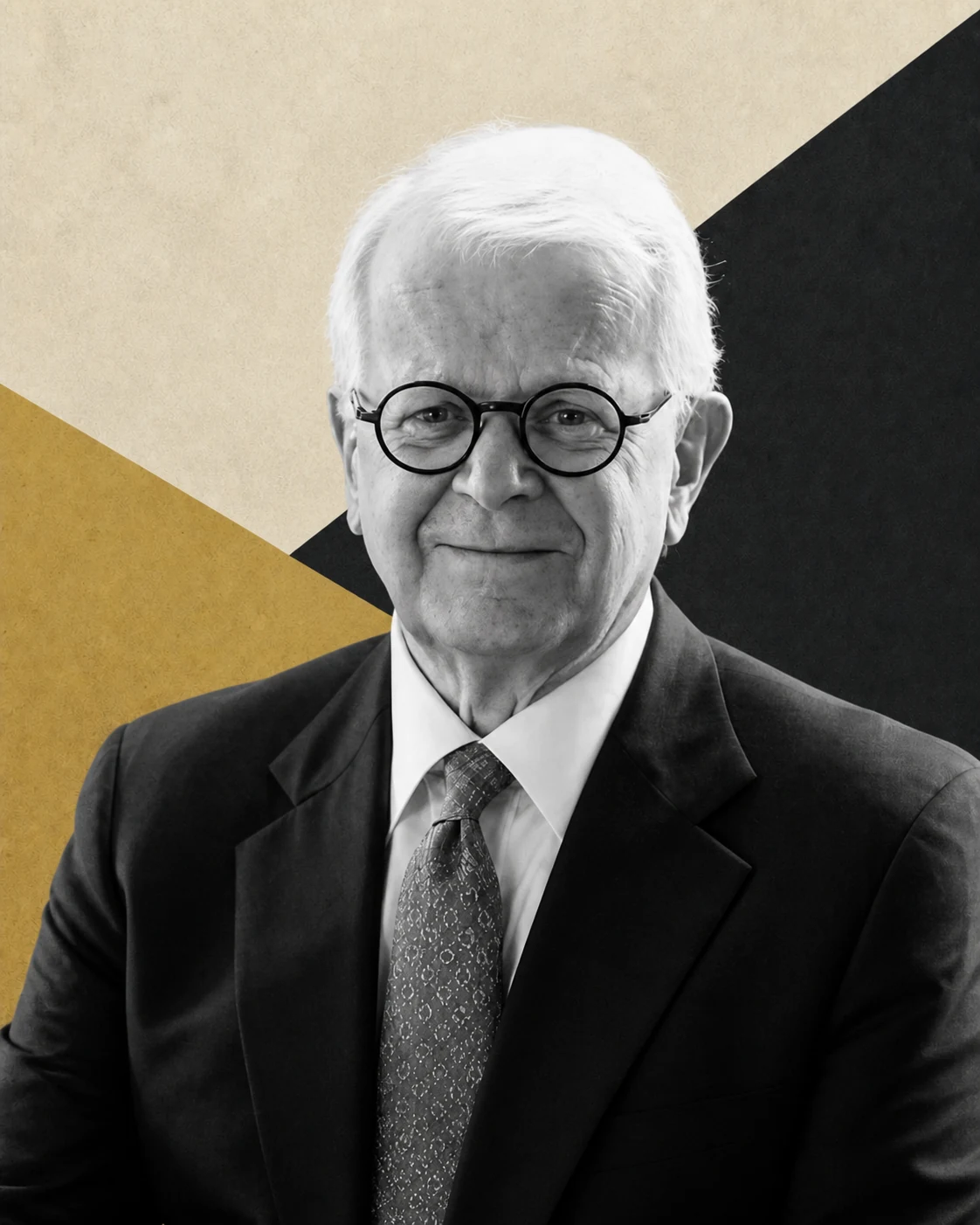
A moral fork tells us what a person does when duty, self-interest, loyalty, and fear point in different directions. It reveals more than a résumé, values statement, or performance review ever could. Coram found versions of that test in Krulak; in fighter pilot and military theorist John Boyd; and, at an almost unimaginable physical extreme, in Medal of Honor recipient and Vietnam prisoner of war George E. “Bud” Day.
The fork also tells us something about the road builder, not just the traveler.
When people must repeatedly choose between doing good work and preserving a viable career, the institution is not merely discovering their character. It is manufacturing the conflict. It is making personal courage compensate for defects in how information travels, how authority responds, and how careers are governed.
Some moral choices will remain costly in any organization worth serving. No process can make courage unnecessary. But when routine truth-telling predictably requires career-threatening heroism, the price is no longer just evidence of the employee’s virtue. It is a leadership metric.
A heroic culture can still be a silent culture
Organizations often talk about candor as if it were a personality trait:
- Good employees speak up.
- Courageous leaders welcome bad news.
- Weak people stay quiet.
Decades of organizational research describe a more relational problem. New York University professor Elizabeth Morrison defines upward voice as employees voluntarily communicating suggestions, concerns, or information about problems to people higher in the hierarchy.
Silence is not the absence of information. It is the withholding of information that may already exist somewhere lower in the system.
That means a quiet meeting is ambiguous. Everyone may agree. Or the people who disagree may have decided that the cost of speaking is not worth paying.
In a study of 3,149 employees and 223 managers, James Detert and Ethan Burris found that managerial openness was more consistently related to improvement-oriented voice than transformational leadership was. Employees’ sense of psychological safety helped explain the relationship. The effect of leader behavior was especially strong among high performers, the very people an organization can least afford to train into silence.
Psychological safety does not require every leader to be gentle or every employee to feel comfortable. Amy Edmondson originally defined it as a shared belief that a team is safe for interpersonal risk-taking. That makes it easier to ask for help, report mistakes, and challenge an assumption. It does not make every assertion correct, remove performance standards, or exempt anyone from the consequences of deliberate misconduct.
Coram’s account of Krulak contains a small scene that makes the larger problem visible. During a visit to Vietnam, Krulak asked Marines what they thought. They gave him answers he did not expect and did not like. Afterward, he asked his son, Navy chaplain Victor Krulak, what was wrong with the battalion.
His son suggested that people elsewhere might have been telling the general what he wanted to hear.
Coram writes that the possibility appeared not to have occurred to Krulak, even though Krulak himself knew that subordinates often manage what senior officers see.
Krulak’s blind spot makes his confrontation with Johnson more instructive. The same person can be unusually willing to carry unwelcome truth upward and still make it difficult for truth to travel upward to him.
Candor is not secured by placing one brave person in the hierarchy. It has to survive every level of the hierarchy.
“To be or to do” is both a challenge and an indictment
John Boyd made the decision point explicit.
Coram’s Boyd follows the fighter pilot from the cockpit to the Aerial Attack Study, energy-maneuverability theory, the F-15 and F-16 development battles, and the body of work later associated with the OODA loop. Boyd’s accomplishments depended on extraordinary concentration, technical insight, a network of allies, and an appetite for conflict that often made him nearly impossible to ignore and just as difficult to manage.
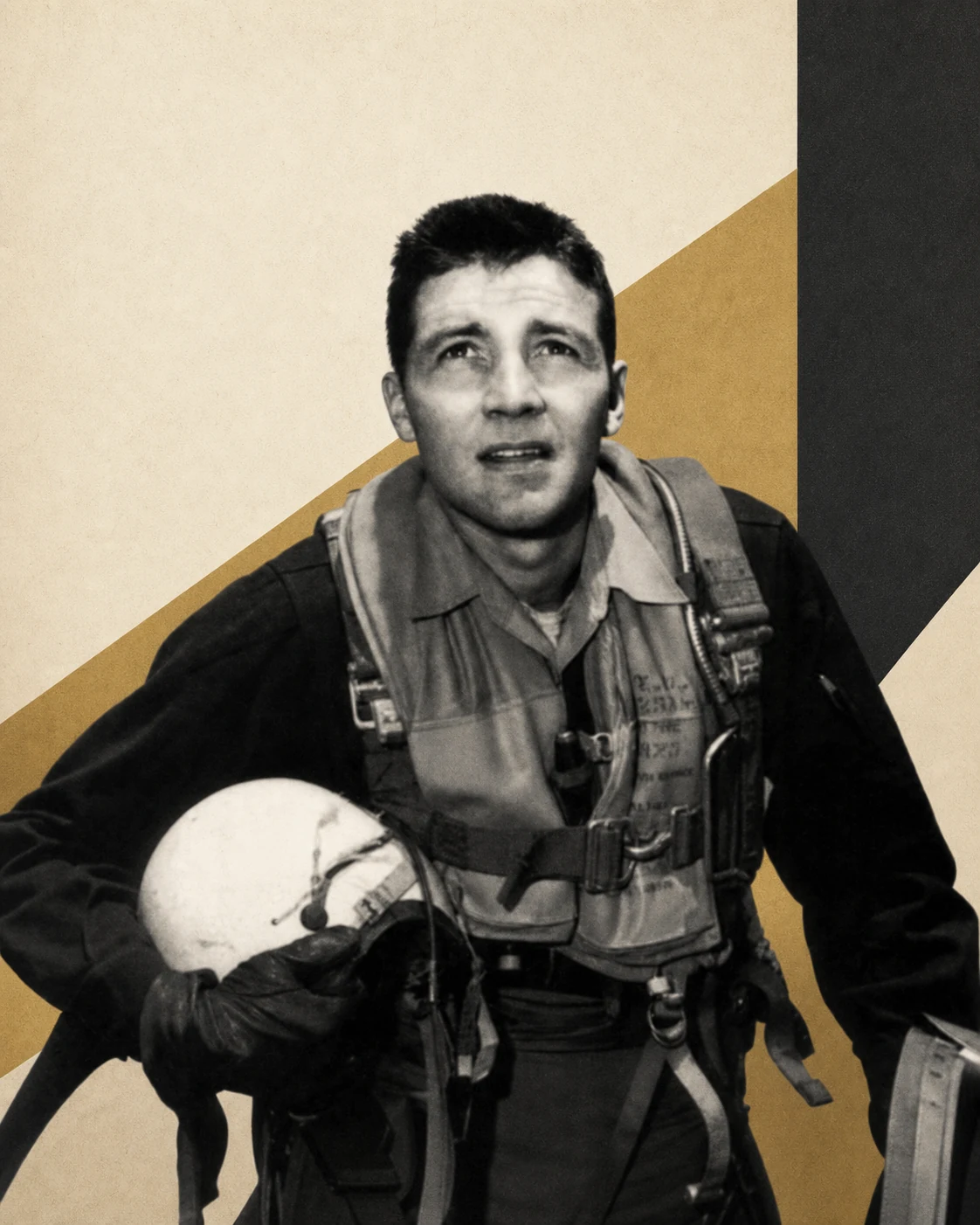

He divided officers into people who wanted “to be” somebody and people who wanted “to do” something.
Coram shows Boyd applying that test to Air Force officer James Burton. Burton had refused an order to alter a chart comparing aircraft performance because the alteration would create a lie. He was removed from his Pentagon job and passed over for promotion. Boyd told him he had reached a fork: he could pursue the promotion and its trappings, or continue the work he believed was right. He could not, Boyd said, have a normal career and do the good work.
As a moral challenge, “to be or to do” draws a clear line. As an organizational condition, it should be alarming.
Why should a normal career and good work be incompatible?
What information will never reach a decision-maker if the price is obvious before anyone speaks?
How many capable employees will make the sensible choice, protect their families and futures, and leave the unaltered chart in a drawer?
Hero stories can mislead managers. We admire the outlier who accepts the sacrifice and then quietly build systems that assume the next person will do the same. When the next person does not, we call it a character failure rather than asking what the incentives were designed to produce.
Boyd also shows why an institution cannot simply reward combativeness. He could be brilliant, abrasive, domineering, and wrong. His crusades imposed costs on colleagues and family members who did not choose them.
An organization that depends on finding a hero is fragile. A stronger one preserves the function Boyd and men like him serve: challenging assumptions, demanding evidence, and testing doctrine, without requiring every reformer to become him.
Courage does not make a claim true
Coram told me that one of his four military subjects did not fit his moral-fork rule: World War II fighter pilot Robert Lee Scott Jr.

Scott was a real combat pilot and a double ace. He flew guest missions with pilots of the American Volunteer Group, the original Flying Tigers, and later commanded the regular Army Air Forces’ 23rd Fighter Group. His 1943 memoir, God Is My Co-Pilot, became a bestseller and then a film. He also told stories so fluently and so often that the border between experience, performance, and memory could become difficult to locate.
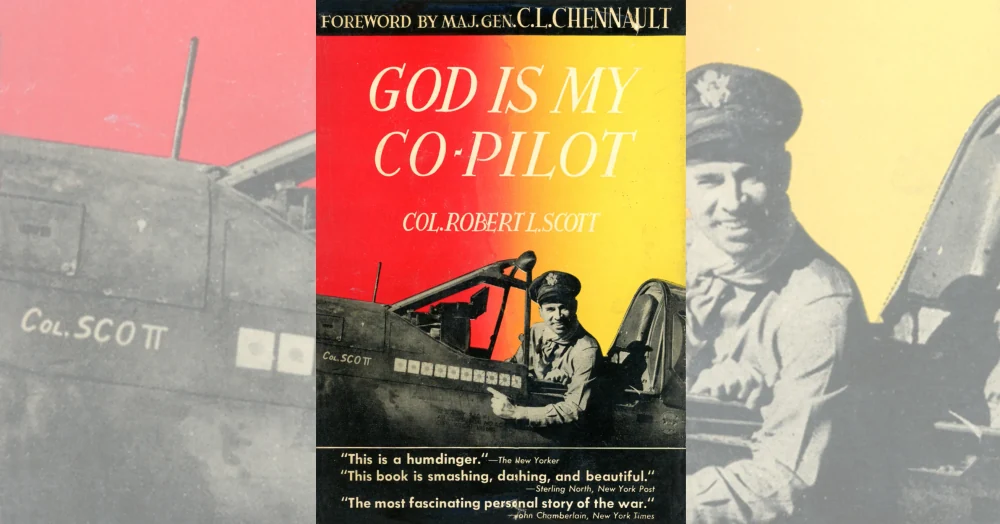
In one late version of the book’s origin story, Japanese rounds struck Scott’s aircraft from behind and drove rivets from the armor behind his seat into his back. After landing, he was supposedly operated on without anesthesia in a candlelit cave, where the title appeared to him on the cave wall. Coram found that the cave revelation was absent from the original book, that he could find no injury record, and that Scott had not received a Purple Heart. Those absences do not prove that every element was invented, but they leave the later account without the evidence that should support it.
Scott matters here because moral courage is not a method for determining truth. Neither sincerity, confidence, sacrifice, nor opposition to authority proves a claim. Institutions need people to raise unwelcome information, and they need disciplined ways to test it.
A useful truth-telling system has to protect both candor and evidence.
If only safe claims can be voiced,
evidence is filtered before examination.
If every contrarian claim is celebrated as brave, dissent becomes theater.
A serious truth-telling system protects the messenger long enough to evaluate the message.
What ordinary people usually do at the fork
The most revealing moral fork in Coram’s body of work may not belong to a pilot or general.
In his memoir Ink, Coram recalls working in 1959 as an untrained attendant at Georgia’s state mental hospital in Milledgeville. By then, it was less a hospital in the ordinary sense than a vast custodial city. The institution averaged more than 11,800 patients in the late 1950s. It sprawled across roughly 200 buildings and 2,000 acres and, by the 1960s, was described as the largest mental hospital in the world.
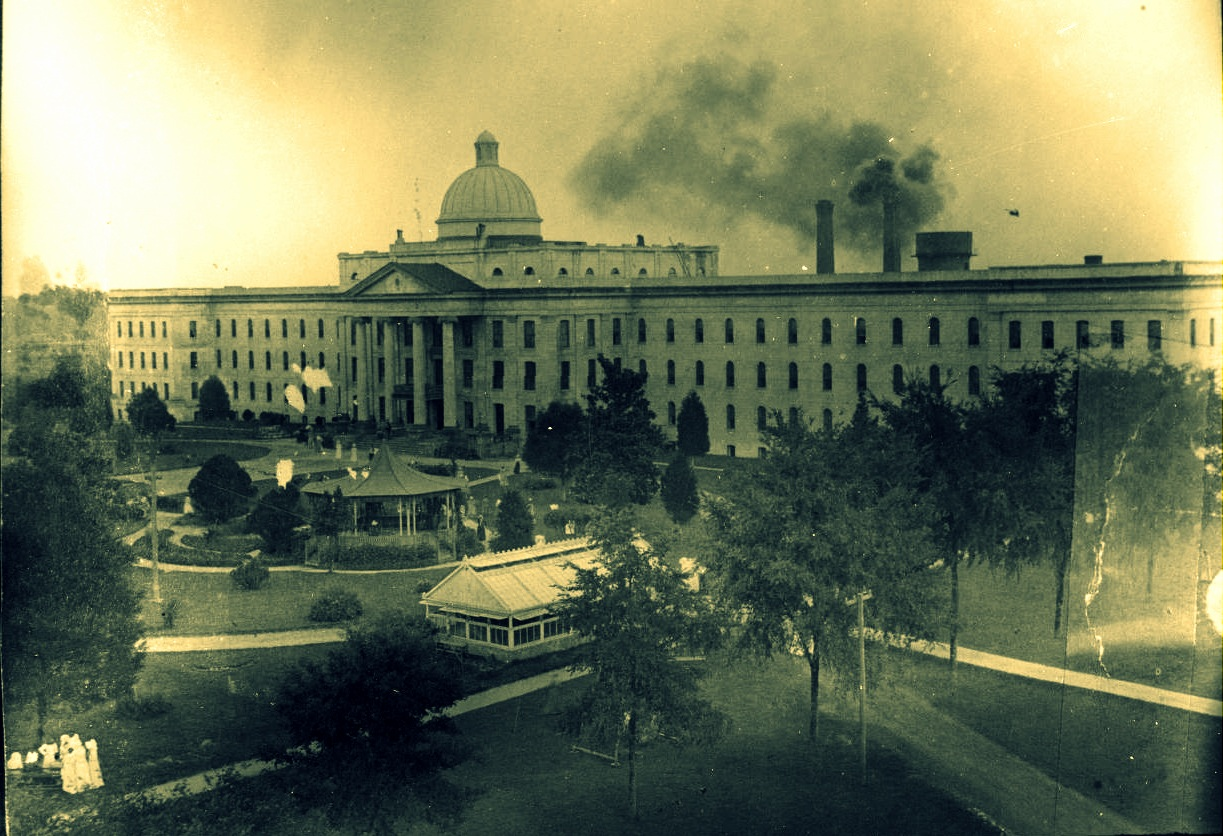
That scale did not produce more care. The New Georgia Encyclopedia records overcrowding, “conscious neglect,” and an institution often able to meet only basic daily needs rather than provide appropriate treatment. In a place that large, abuse could disappear into wards, bureaucracy, and sheer numbers.
That helps explain the importance of Jack Nelson’s investigation for the Atlanta Constitution. His 1959 reporting documented experimental drugs given without patient or family consent, major surgery performed by a nurse without supervision, and staff and doctors drunk on duty. The series would win the 1960 Pulitzer Prize.
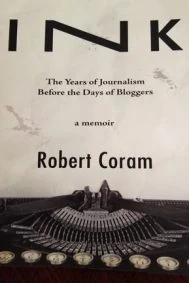
Coram admired Nelson. He understood that this was what a newspaper could do: enter a closed institution and force powerful people to answer for what happened inside.
Then, Coram writes, a doctor ordered him to dispose of boxes of medicine to hide them from Nelson’s reporting. Coram believed the labels, dates, and drugs might matter to the investigation. He flushed the pills down a patient toilet, carried the packaging to a dump, and said nothing when the reporter returned.
He believed the material might be evidence. He recognized the choice. He obeyed the institution anyway.
“I wanted to help him,” Coram writes. “But I did not.”
I do not read that sentence as a verdict on the young man. I read it as a warning to anyone who designs work for other people.
Most employees are not Bud Day. They should not have to be.
They have mortgages, health insurance, reputations, visas, commissions, pensions, children, and an accurate understanding of what authority can do to them. They watch what happens to the first person who raises a problem. They notice whether the concern is investigated, whether the leader becomes curious or offended, and whether the messenger’s next assignment quietly disappears.
The employee who remains silent may be making a moral mistake. The organization that makes silence rational is making a management mistake.
The price rarely stops with the person who speaks
Coram’s biographies also complicate the idea of individual sacrifice by showing who else pays.
Bud Day endured five years, seven months, and thirteen days as a prisoner of war, including periods of prolonged torture. Dorie carried that captivity into public life, organized with other POW families, preserved information, kept their household functioning, and later lived beside the physical injuries and recurring nightmares that came home with him. Mary Boyd and her children experienced a different version of cost: absence, volatility, financial strain, and the work required to preserve the ideas for which John Boyd received public credit.
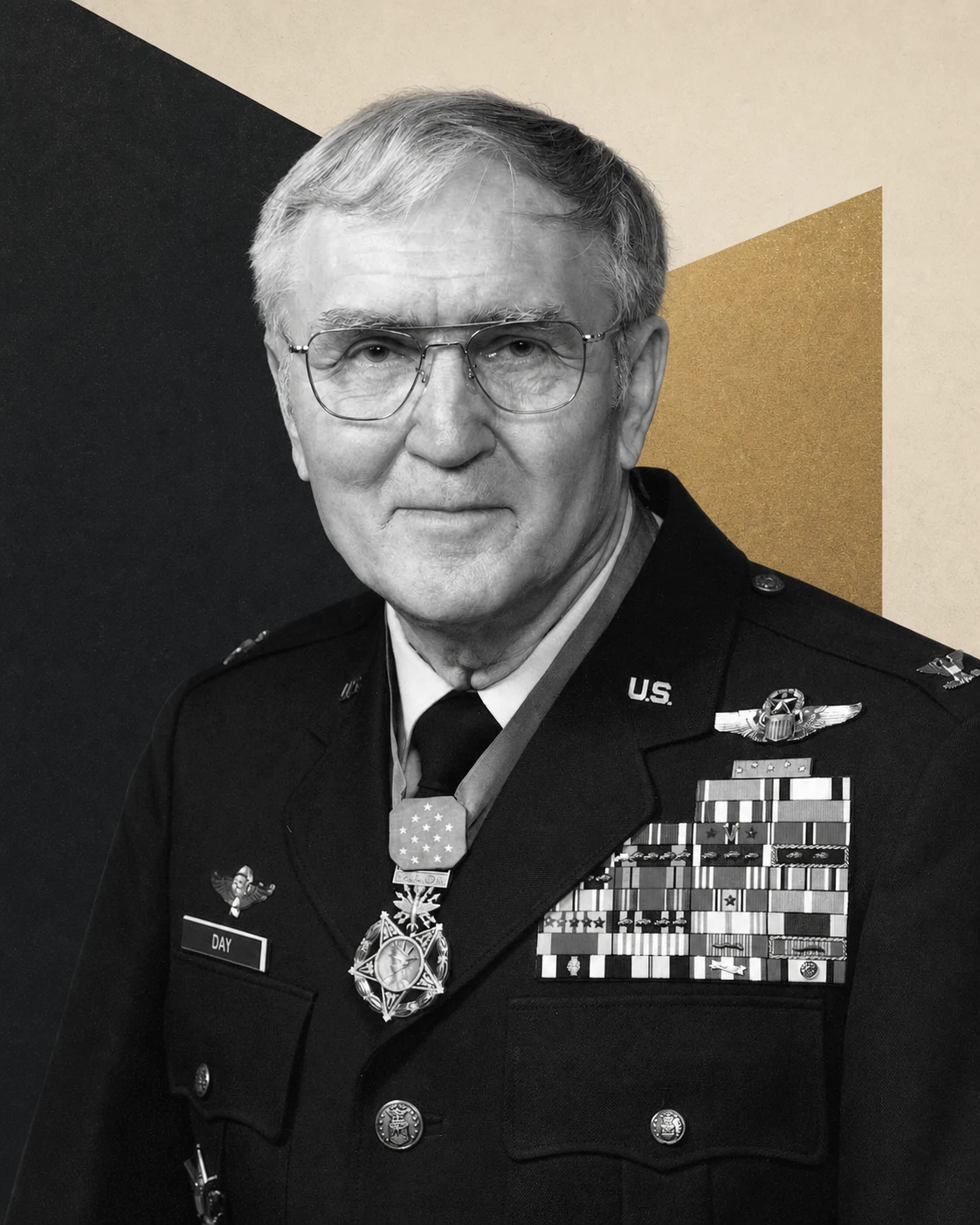

Those family accounts do not erase Day’s courage or Boyd’s achievements. They complete the ledger.
We recognize, celebrate, and talk about a few heroes, but the cost of their heroism is paid not only by them. It is also paid by the people around them.
Organizations usually record the visible price: the stalled promotion, the resignation, the lost command. The cost that migrates into a home, a colleague’s workload, a customer’s risk, or a caregiver’s life often disappears from the scorecard. Calling the employee heroic can become a way of praising a sacrifice the institution has no intention of accounting for.
Build for candor before you need courage
Values statements are useful only if the operating system makes them credible. Here are six ways to make candor less dependent on individual courage.
1. Give unwelcome information a route around the hierarchy
An open-door policy still requires an employee to walk through the boss’s door.
NASA’s Aviation Safety Reporting System was designed around a different insight. Aviation workers can voluntarily report safety incidents to an independent program that keeps identities confidential, removes identifying details, and offers limited protection from penalties for qualifying unintentional violations. Deliberate and criminal acts are not sheltered. The design does not confuse learning with impunity; it reduces the personal risk that prevents useful safety information from entering the system.
Most organizations do not need a miniature NASA. They do need a channel whose independence, confidentiality, response time, and escalation rules are real rather than decorative.
2. Make dissent part of the work, not a personality contest
Do not wait for a natural contrarian to challenge the plan. Assign the function.
Before commitment, ask one group to assume the decision has failed and construct plausible reasons why. Gary Klein’s premortem works because it gives knowledgeable skeptics permission to voice reservations before failure converts them into hindsight. Rotate the dissent role so that disagreement does not become one person’s identity or one person’s career risk.
Require the decision owner to state what evidence would change the decision. “Convince me” is not a standard; it is an invitation to contest status. A falsifiable threshold is a standard.
3. Make the most powerful person speak last
If the senior leader announces a preference first, every answer that follows has been contaminated by information about what the hierarchy wants.
Collect judgments independently before discussion when possible. Ask for disconfirming evidence, not just concerns. Replace “Does anyone disagree?” with questions that require content: What assumption is carrying the most risk? What would we expect to see if we are wrong? Who has information that does not fit the current story?
Then wait long enough for an answer.
4. Keep a decision record that can survive memory
Record the decision, material assumptions, competing interpretations, predictions, unresolved concerns, owner, and review date. The purpose is not bureaucratic self-protection. It is to keep the organization from rewriting what it once believed after the outcome is known.
Scott’s stories show how repetition can harden a satisfying account. A contemporaneous record gives later reviewers something other than confidence and status to examine.
5. Review outcomes without defending rank
In my conversation with former Royal Australian Air Force fighter pilot and Afterburner CEO Christian “Boo” Boucousis on The Unfolding Thought Podcast, the debrief was the central subject. Boo described an operating rhythm used after every mission, successful or not: compare the objective with the actual result, identify the cause of any gap, and choose a concrete action for the next mission. His organization applies the same discipline to business teams. The purpose is to convert experience into usable intelligence while keeping rank and ego from controlling the account.
The simplicity is deceptive. A useful debrief has to remain a professional inquiry rather than a trial, a victory lap, or a briefing in which subordinates discover what the leader wants them to say. Preserve competing accounts. Separate facts from inference. Assign changes and return to see whether they occurred.
6. Audit what happens to the messenger
Nonretaliation cannot be measured by counting how many people were formally fired for speaking up. Career penalties are often quieter: a missed invitation, a lower-visibility assignment, exclusion from information, an unexplained performance downgrade, or the conclusion that advancement now lies elsewhere.
Track whether people who raise consequential concerns remain, advance, and continue to contribute. Ask them what happened after they spoke. Review whether concerns were acknowledged, investigated, and closed. Hold leaders accountable for retaliation and for teaching teams through visible behavior that candor is futile.
The Government Accountability Office’s recent review of federal disclosure systems reaches a similar practical conclusion: accessible confidential channels, credible protection against retaliation, consistent accountability, and visible leadership commitment all influence whether people trust a speak-up system.
What leaders owe the truth-teller
Coram is right to admire Krulak’s willingness to carry an unwelcome judgment to Johnson. The choice revealed the general’s sense of duty and the relative value he placed on career and country. We need people who will act that way when a consequential truth has no safe route to power.
Admiration can stop the inquiry too early.
The leader’s question is not only, Will someone be brave enough to tell me? It is also, What expectations have I created about what happens to people who tell me something I do not want to hear?
A sound institution cannot remove every moral fork. It can keep routine evidence, doubt, error, and disagreement from becoming tests of personal martyrdom. It can make candor ordinary enough that exceptional courage is reserved for exceptional circumstances.
When doing the work and keeping a viable career repeatedly point down different roads, the organization has confused a character test with a management system.
Moral courage is a virtue. It should not be an operating system.
The episode and sources
- Read, watch, or listen to Episode 95 of The Unfolding Thought Podcast: Robert Coram on John Boyd, Bud Day, Brute Krulak, Robert Lee Scott Jr., and the price of moral courage.
- Robert Coram, books and biography, including Boyd, American Patriot, Brute, Double Ace, Gully Dirt, and Ink.
- Amy C. Edmondson, “Psychological Safety and Learning Behavior in Work Teams”, Administrative Science Quarterly.
- Elizabeth W. Morrison, “Employee Voice and Silence”, Annual Review of Organizational Psychology and Organizational Behavior.
- James R. Detert and Ethan R. Burris, “Leadership Behavior and Employee Voice: Is the Door Really Open?”, Academy of Management Journal.
- NASA, Aviation Safety Reporting System: Confidentiality and Incentives to Report.
- Gary Klein, “Performing a Project Premortem”, Harvard Business Review.
- The Unfolding Thought Podcast, “Why Fighter Pilots Debrief Everything,” with Christian “Boo” Boucousis.
- U.S. Government Accountability Office, Protections for Whistleblowers and Others: Selected Agency Actions Regarding Reports of Potential Wrongdoing.
- The Pulitzer Prizes, Jack Nelson’s 1960 award for reporting on Georgia mental institutions.